Teaching institution · reviewed
Anatomical theatre of Padua
1595Padua's permanent anatomical theatre made repeated, organized dissection central to medical teaching.
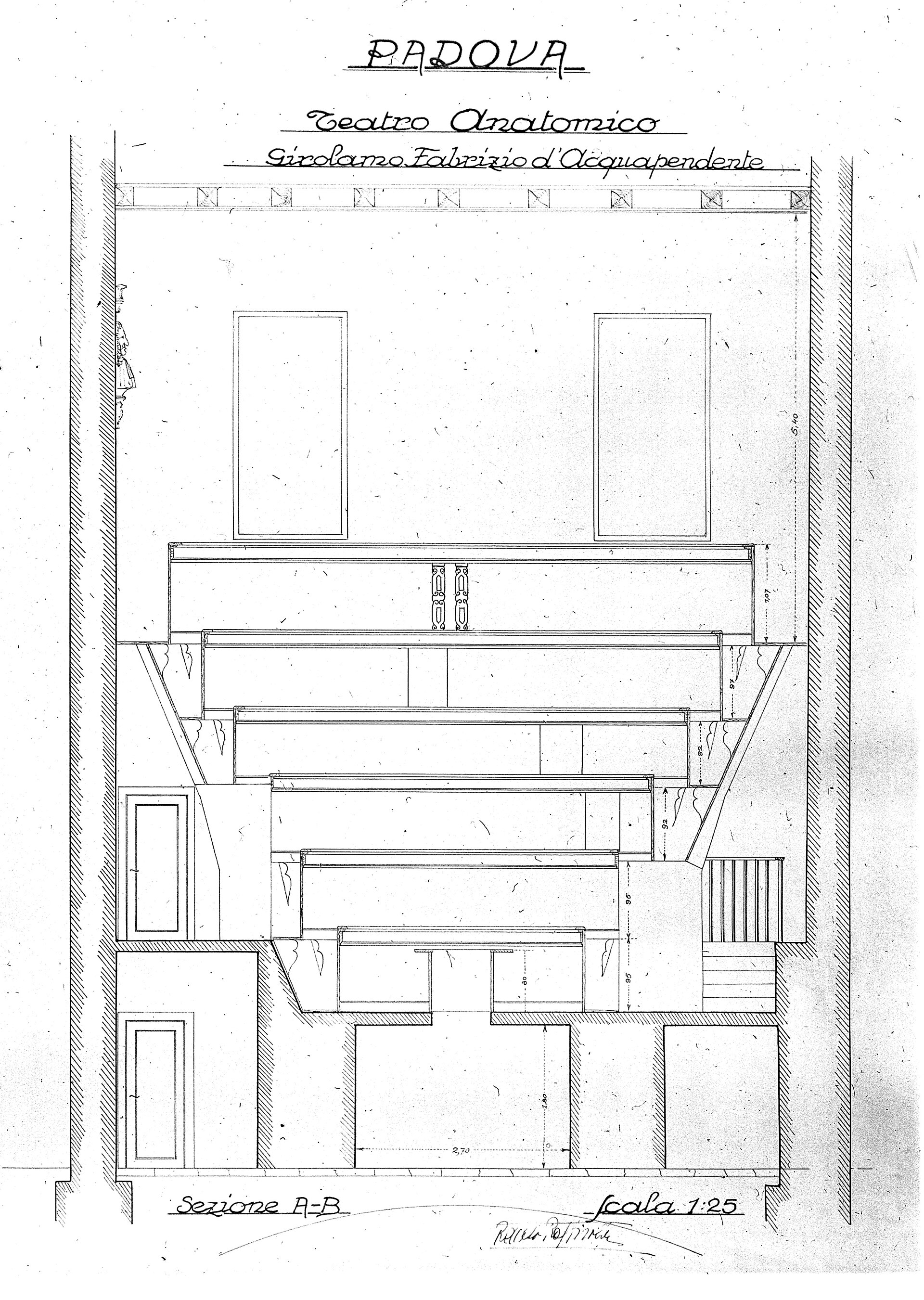
Fabricius initiated the purpose-built theatre in 1594, and it was inaugurated in January 1595. The surviving structure is commonly described by the university as the world's first permanent anatomical theatre. The steep, funnel-shaped room placed students around a central dissection table. It turned anatomy into a repeated public teaching practice, while also reminding us that access to bodies, institutional authority, and the social setting of dissection shaped what anatomists could learn.
Sources
- The Anatomical Theatre — University of Padua, 2026
Direct relationships
- Hieronymus Fabricius→Anatomical theatre of PaduaEstablished a permanent setting for anatomical teaching · high confidence
- Anatomical theatre of Padua→William HarveyPlaced Harvey within Padua's experimental anatomy culture · medium confidence