Treatment · reviewed
Blood transfusion
Developed across the 19th–20th centuriesBlood typing, compatibility testing, anticoagulation, and storage made transfusion progressively safer and more available.
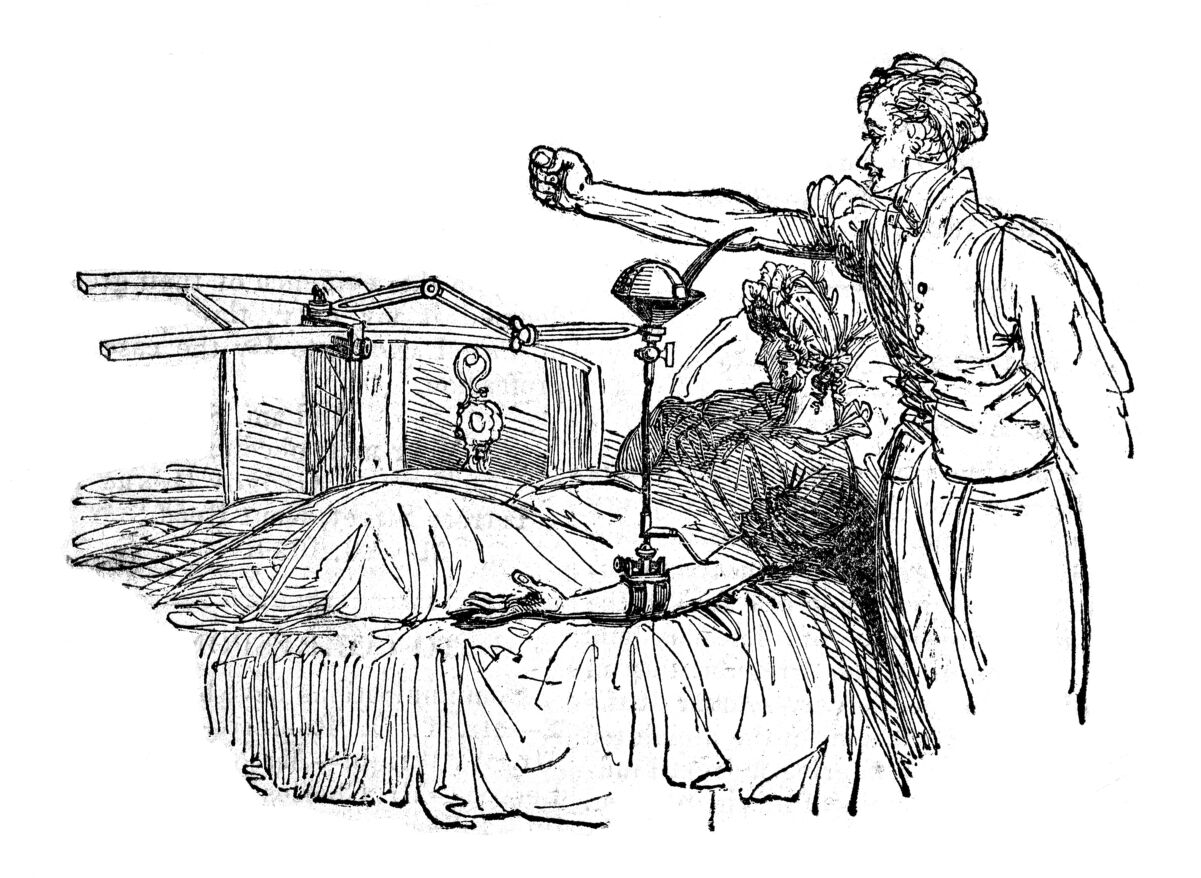
Human transfusion predates modern blood science, but Landsteiner's 1901 ABO work explained major incompatibility reactions. Citrate anticoagulation and organized blood storage followed in the 1910s. Matching donor and recipient blood greatly reduced dangerous reactions, while anticoagulants and refrigeration made blood easier to preserve and transport. Transfusion became essential to trauma care, major surgery, cancer treatment, childbirth emergencies, and the development of organized blood services.
Sources
- A history of donation, transfusion and transplantation — NHS Blood and Transplant, 2025

Direct relationships
- Blood transfusion→Organ transplantationSupported blood-loss management in major transplant surgery · medium confidence
- Circulation of blood→Blood transfusionProvided the physiological model required to understand transfusion · medium confidence