Foundational concept · reviewed
Cell theory
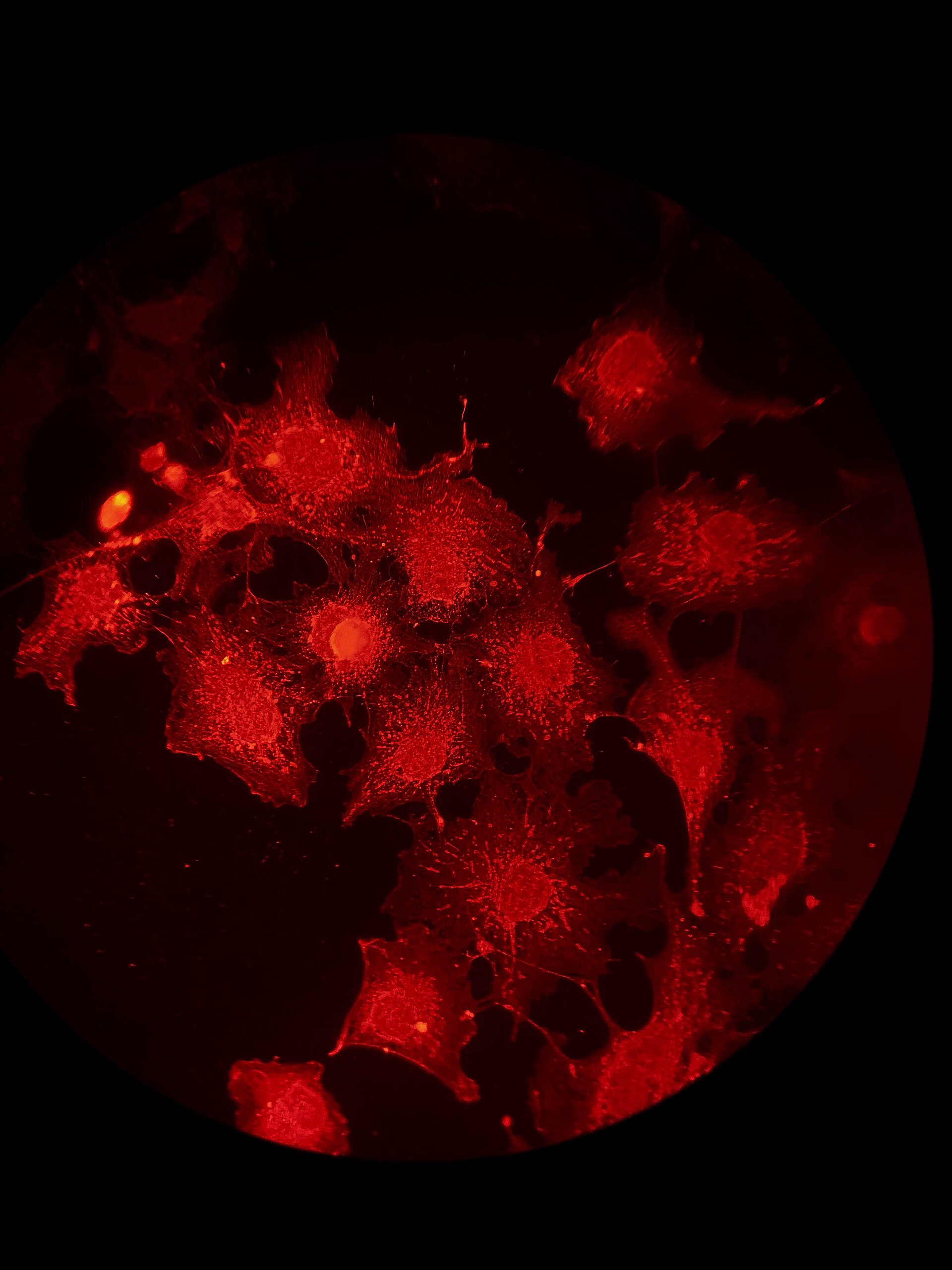
1838–1839Cell theory established cells as the basic structural units of living organisms.
Schleiden's plant studies and Schwann's animal studies produced the 1838–39 formulation. The theory was later corrected and extended, including recognition that new cells arise from existing cells. This shifted biology away from treating tissues as continuous material and toward understanding organisms as communities of living units. It provided a framework for pathology, embryology, microbiology, and later molecular medicine, where disease could be investigated at cellular scale.
Sources
- Tools of Cell Biology — Geoffrey M. Cooper, 2000
Direct relationships
- Microscopy→Cell theoryMade cellular organization observable · high confidence
- Cell theory→DNA structureConnects cellular organization with molecular heredity · low confidence