Clinical practice · reviewed
Clinical handwashing
Evidence-based hospital use from 1847Hand hygiene reduces transmission of healthcare-associated pathogens.
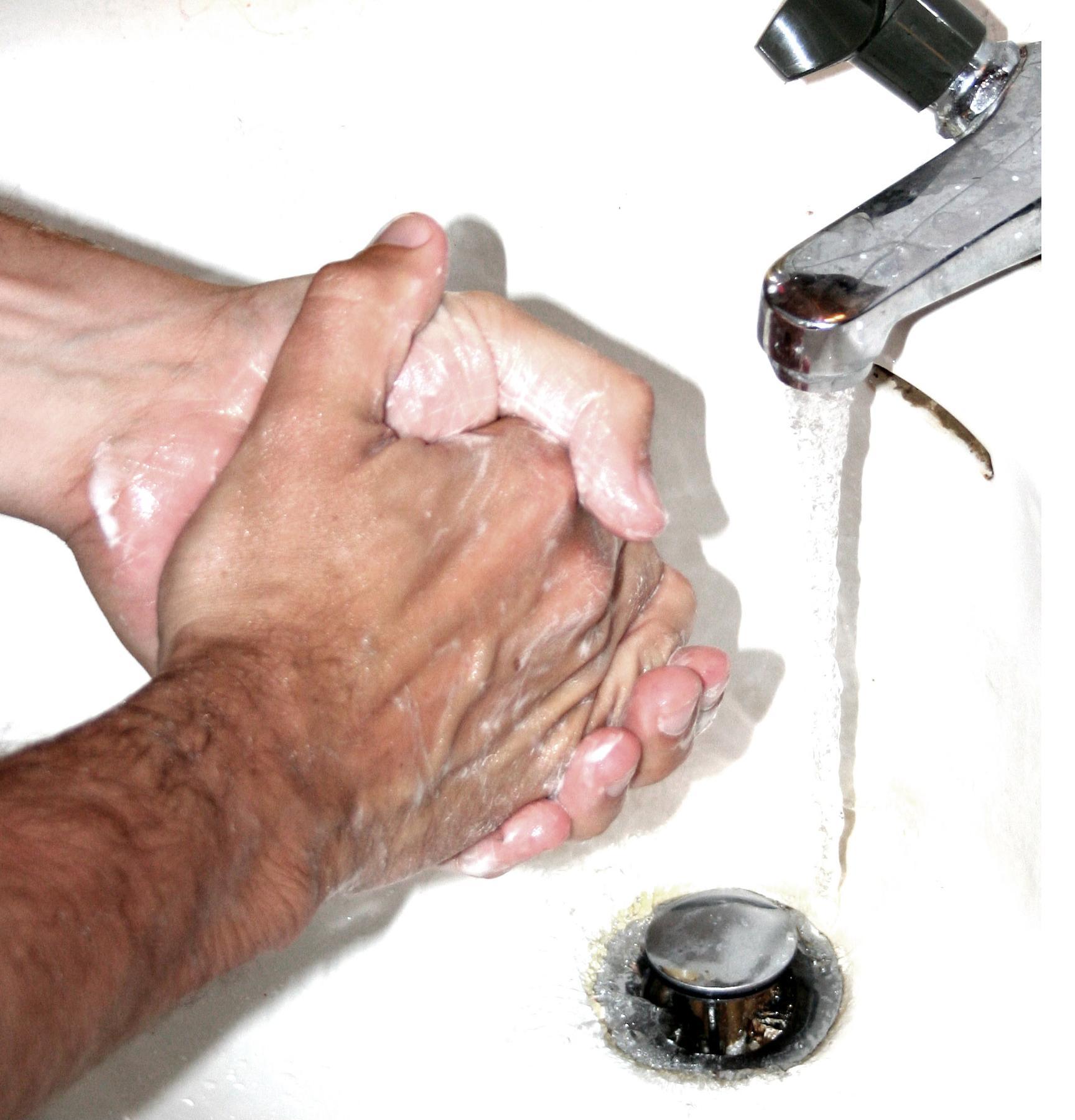
Semmelweis supplied influential clinical evidence in 1847; later microbiology and controlled studies clarified mechanisms and effectiveness. Modern hand hygiene includes soap-and-water washing and alcohol-based antisepsis. Cleaning hands interrupts the movement of microorganisms between patients, staff, surfaces, and equipment. It is technically simple but operationally demanding: access to supplies, timing, technique, training, and consistent compliance all determine whether the intervention works.
Sources
- Historical perspective on hand hygiene in health care — World Health Organization, 2009
Direct relationships
- Ignaz Semmelweis→Clinical handwashingDemonstrated preventive hand cleansing in obstetric care · high confidence
- Germ theory→Clinical handwashingSupplied a microbial explanation for hand hygiene · high confidence
- Clinical handwashing→Antiseptic surgeryPrefigured clinical contamination control · low confidence