Clinical technology · reviewed
Early radiography
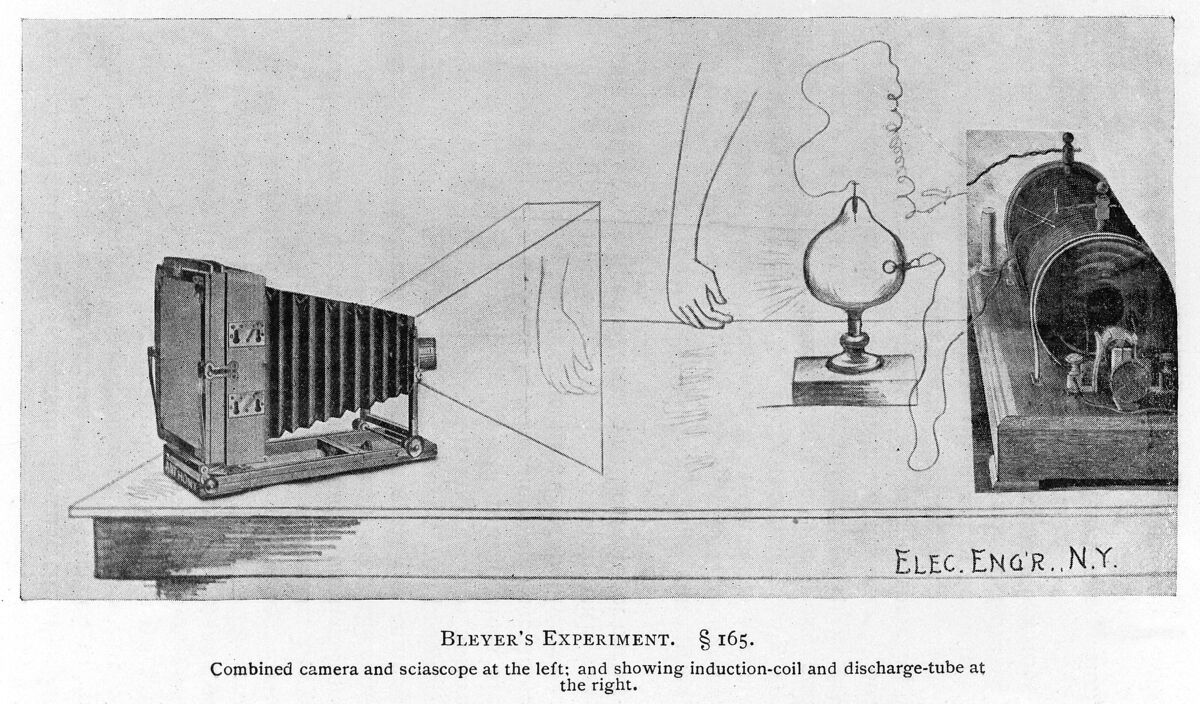
From 1896Clinical radiography followed within months of Röntgen's announcement.
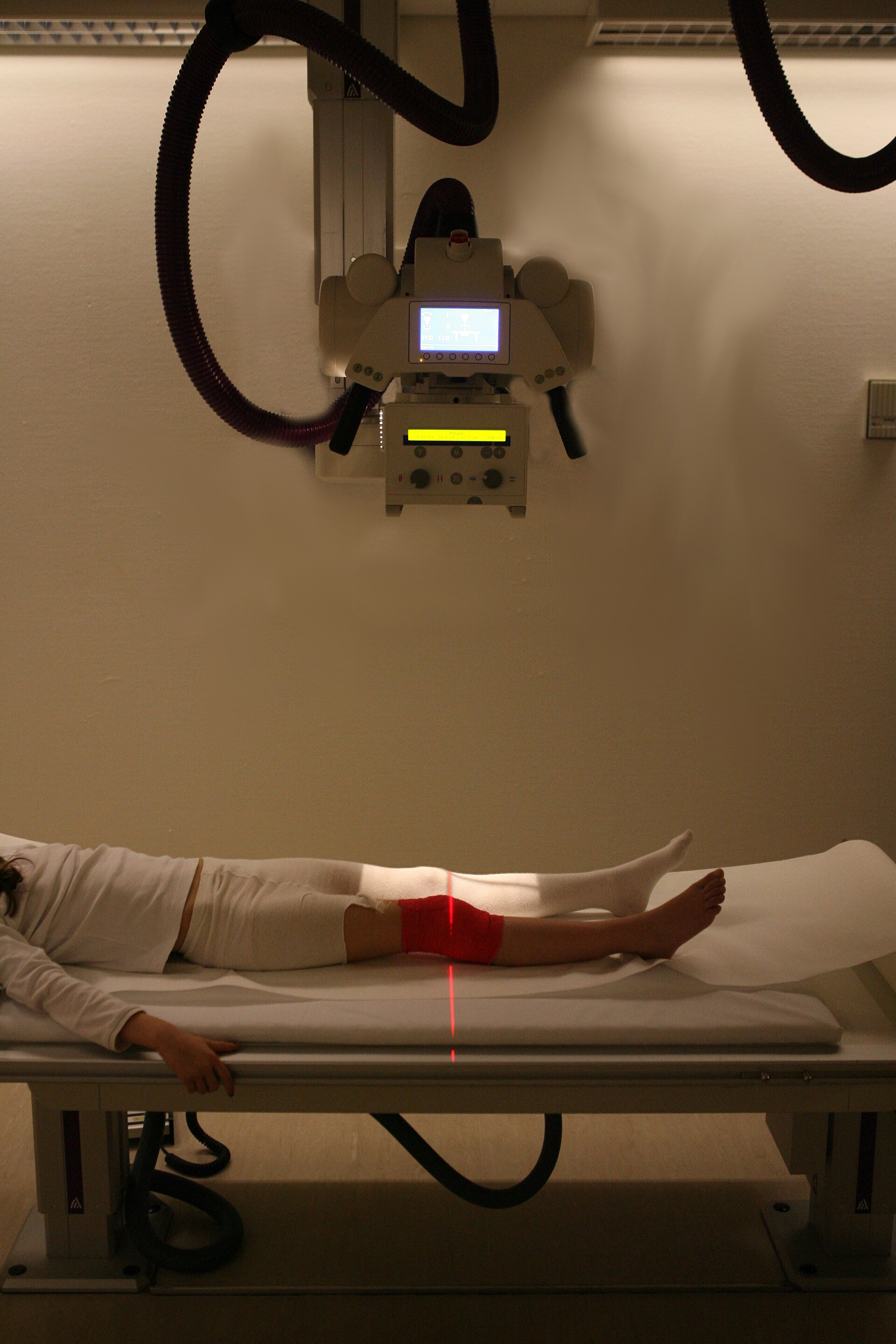
Physicians rapidly adopted X-ray photographs for fractures and foreign-body localization. Early apparatus required long exposures, and radiation injuries revealed hazards before protection practices matured. For the first time, clinicians could inspect a fracture or locate a bullet without opening the body. The technology spread before its risks were well understood, making early radiography both a diagnostic breakthrough and an important lesson in radiation safety.
Sources
- Medical Imaging: From Roentgen to the Digital Revolution, and Beyond — Hedvig Hricak et al., 2018
Direct relationships
- X-rays→Early radiographyTurned penetrating radiation into diagnostic photographs · high confidence
- Marie Curie→Early radiographyExtended radiography through mobile wartime services and training · high confidence
- Early radiography→Computed tomographyExtended projection radiography into computed cross-sections · high confidence