Diagnostic technology · reviewed
Electrocardiography
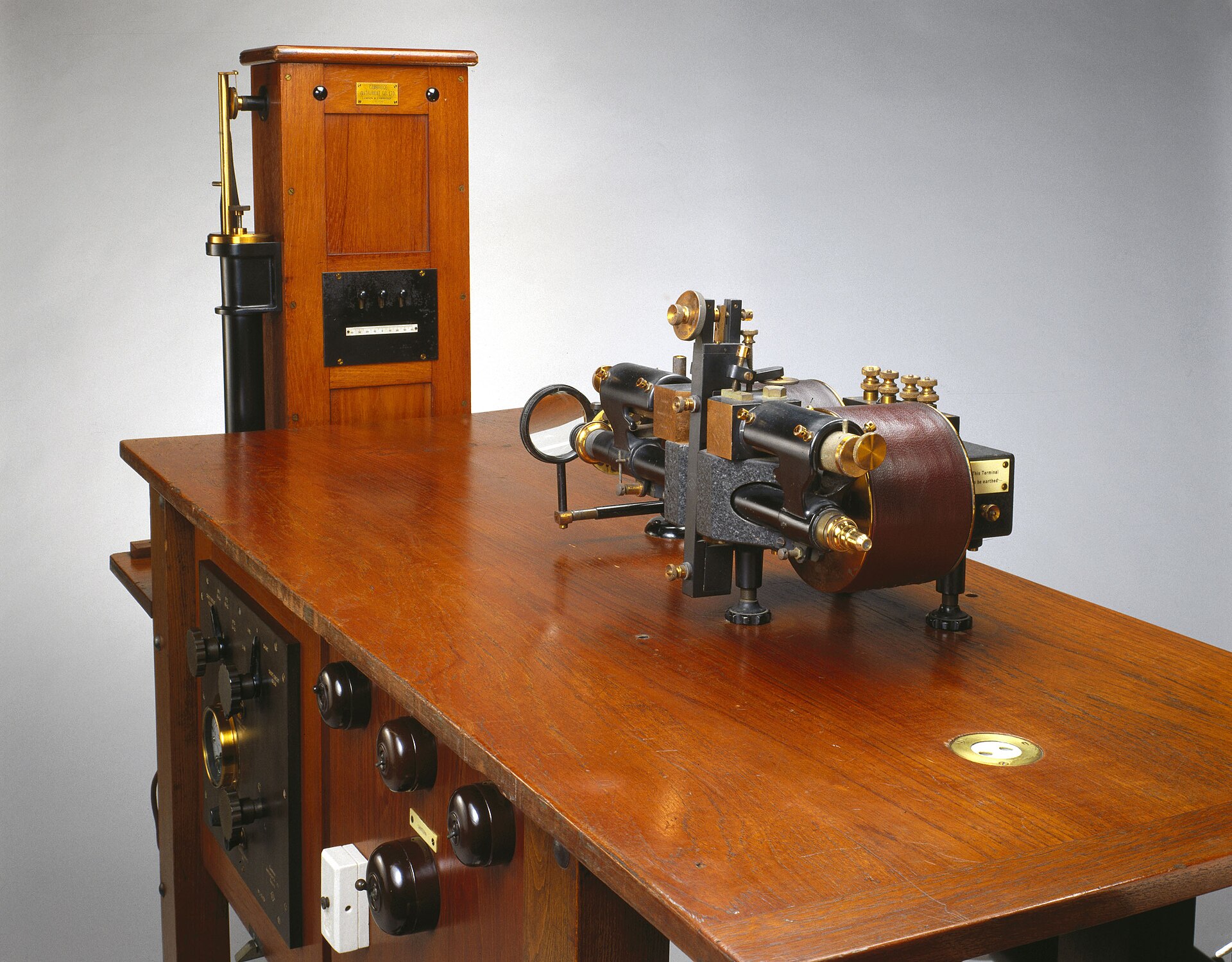
Clinically practical from 1903An electrocardiogram records voltage changes produced by the heart over time.
Earlier investigators detected cardiac electricity, but Einthoven's string galvanometer and standardized interpretation made reproducible clinical electrocardiography practical in the early twentieth century. The waveform reflects the ordered electrical activation and recovery of the heart's chambers. Clinicians use its timing and shape to recognize rhythm disturbances, conduction problems, and signs of cardiac injury, making the ECG one of medicine's most widely used diagnostic tests.
Sources
- Physiology or Medicine 1924 – Presentation Speech — Nobel Committee for Physiology or Medicine, 1924
Direct relationships
- Bioelectricity→ElectrocardiographyEstablished cardiac electrical activity as a measurable signal · high confidence
- Willem Einthoven→ElectrocardiographyMade electrocardiography accurate, standardized, and clinically interpretable · high confidence
- Vacuum tube→ElectrocardiographyLater enabled electronic amplification of cardiac signals · low confidence
- Electrocardiography→Implantable pacemakerLinked rhythm diagnosis with electrically timed treatment · medium confidence