Implantable device · reviewed
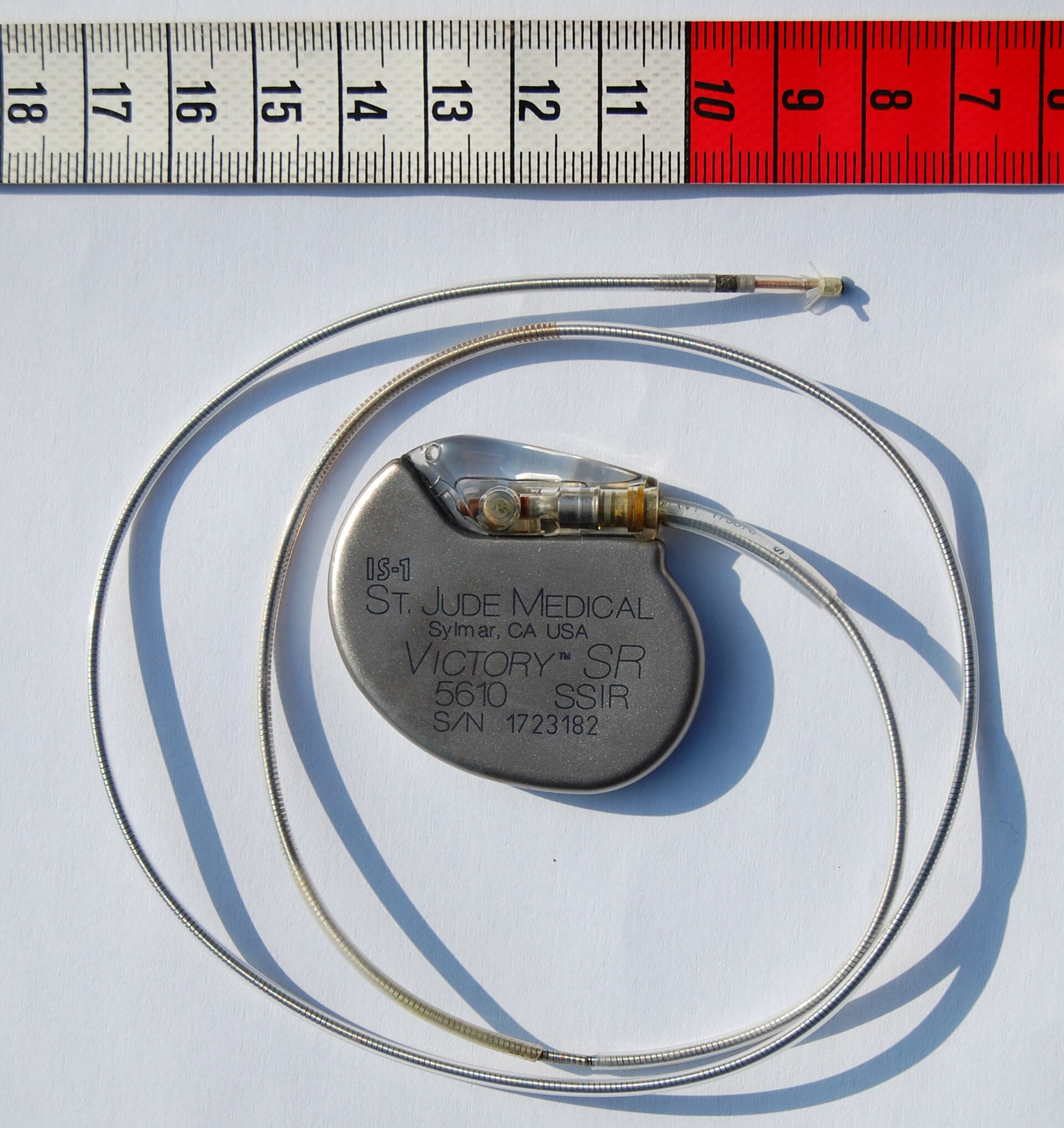
Implantable pacemaker
First human implantation in 1958Implantable pacemakers deliver timed electrical pulses when the heart's own rhythm is inadequate.
The first human implantation occurred in Sweden in 1958 but early devices failed quickly. Transistorized circuits, improved batteries, leads, and sealing enabled more durable systems, including successful implants from 1960. A pacemaker senses the heart's rhythm and delivers an electrical impulse when needed. Modern systems combine miniature electronics, programmable timing, long-lived batteries, insulated leads, and careful implantation—an example of physiology and engineering working as one therapeutic system.
Sources
- Pacemaker — Smithsonian National Museum of American History, 2025
Direct relationships
- Electrocardiography→Implantable pacemakerLinked rhythm diagnosis with electrically timed treatment · medium confidence
- Semiconductor transistor→Implantable pacemakerEnabled compact, battery-powered pacing circuits · high confidence