Treatment · reviewed
Organ transplantation
First durable major-organ success in 1954Organ transplantation combines surgery with compatibility assessment, immunosuppression, preservation, and long-term care.
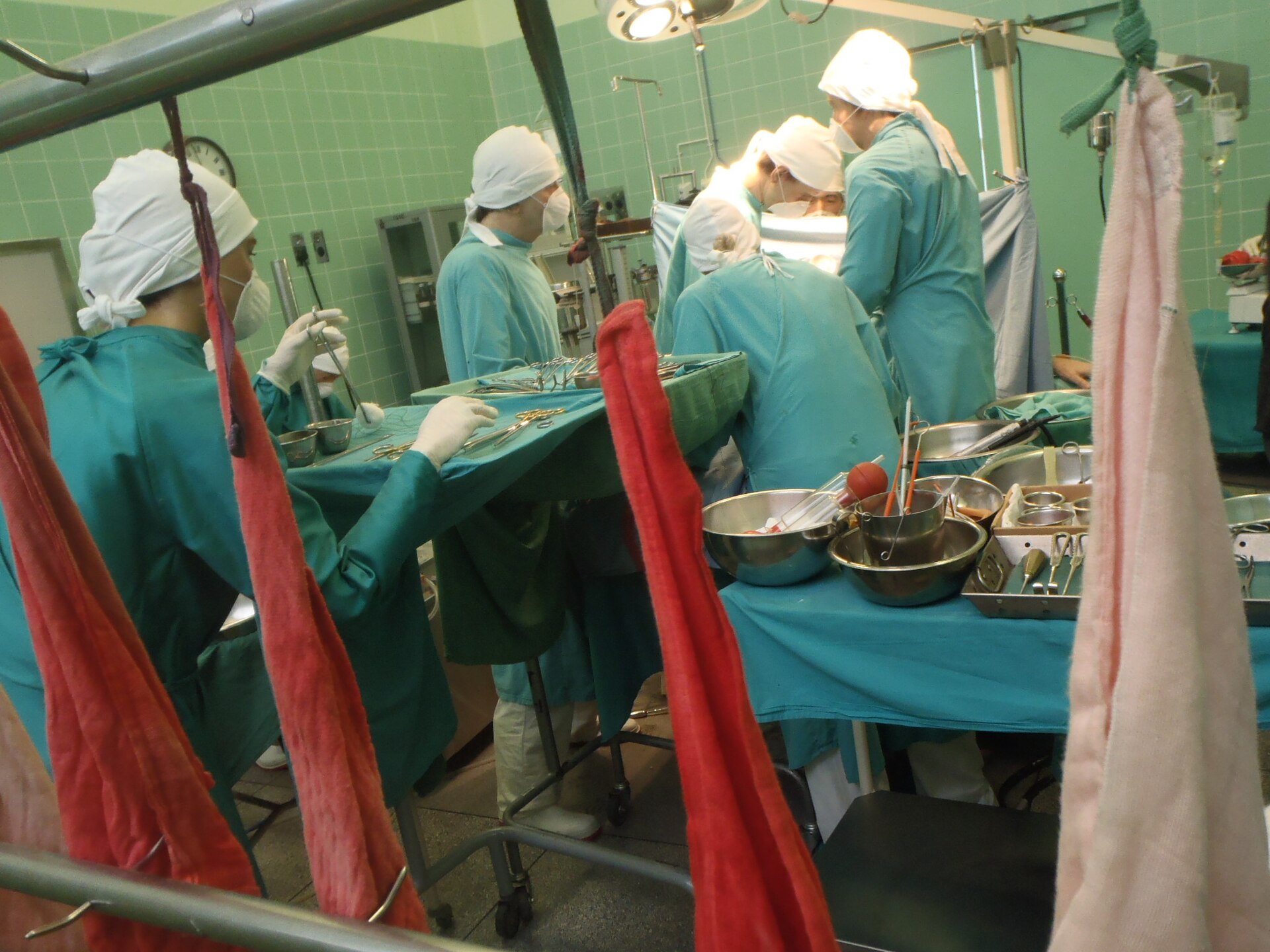
The 1954 kidney transplant between identical twins achieved durable success without an immune mismatch. Later tissue typing and immunosuppressive drugs made transplantation between genetically different people increasingly feasible. Replacing a failing organ requires far more than the operation itself. Success depends on donor selection, preservation, vascular surgery, immune control, infection prevention, and lifelong follow-up—making transplantation a convergence of surgery, immunology, pharmacology, and coordinated health systems.
Sources
- Joseph E. Murray – Nobel Lecture — Joseph E. Murray, 1990
- History of Transplantation — Organ Procurement and Transplantation Network, 2025
Direct relationships
- Molecular diagnostics→Organ transplantationSupports compatibility assessment and infection testing · medium confidence
- Antiseptic surgery→Organ transplantationReduced infection risk in complex operative care · medium confidence
- Anesthesia→Organ transplantationMade prolonged transplant operations physiologically manageable · high confidence
- Blood transfusion→Organ transplantationSupported blood-loss management in major transplant surgery · medium confidence