Historical engineering context · reviewed
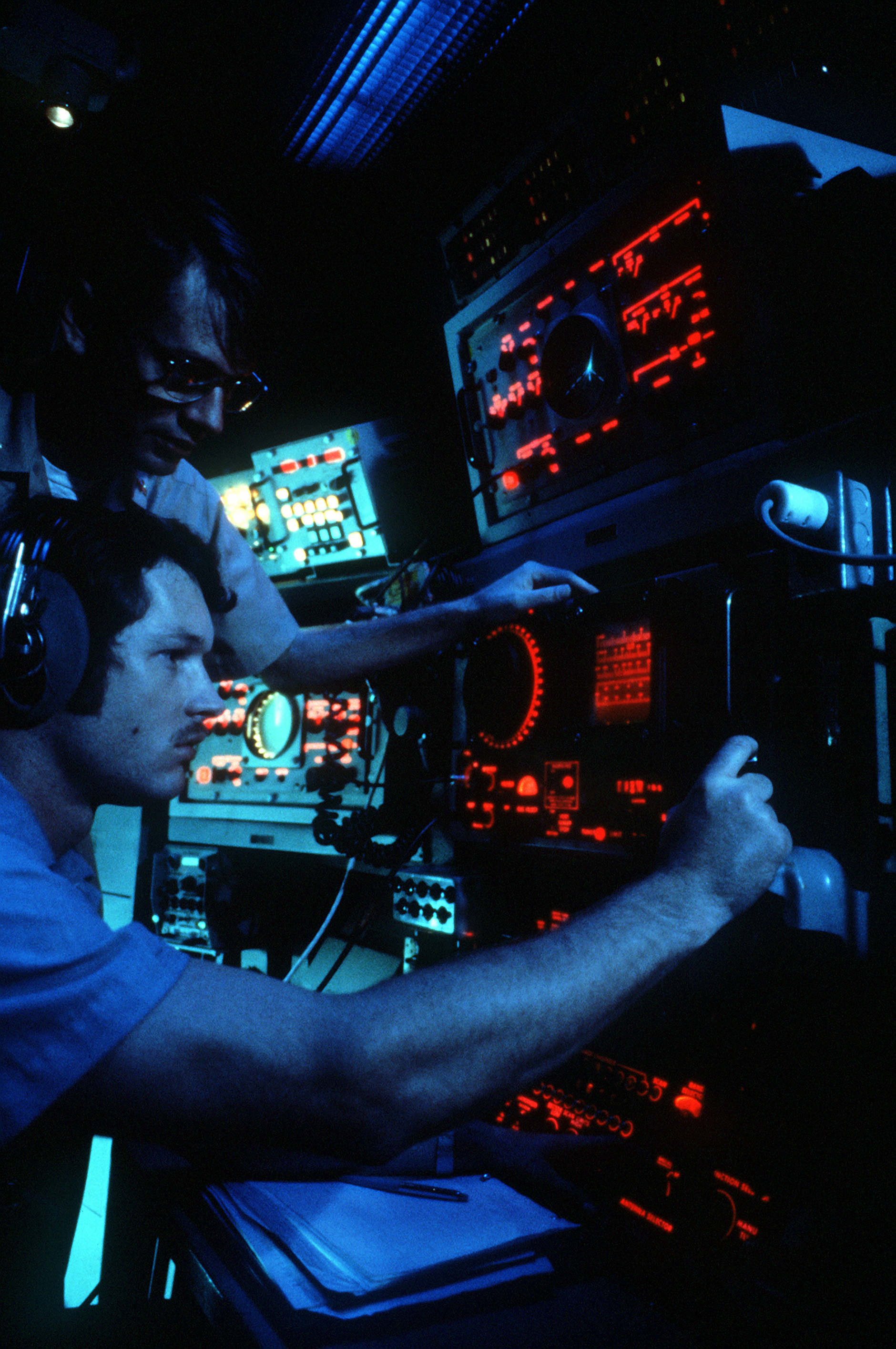
Sonar
From the 1910sEcho-ranging systems developed for navigation and warfare established techniques later adapted to medicine.
Twentieth-century sonar and industrial flaw detection showed that transmitted sound pulses and returning echoes could locate boundaries. Medical ultrasound drew on this engineering repertoire but developed through multiple independent clinical programs. By measuring the delay and strength of a returning echo, an instrument can estimate where an underwater object or material boundary lies. Medical researchers adapted this pulse-echo logic to distinguish interfaces between tissues inside the body.
Sources
- My ultrasound used to look like what? — Lauren Rever, 2017-03-10
Direct relationships
- Piezoelectricity→SonarEnabled practical electro-acoustic transducers · high confidence
- Sonar→Medical ultrasoundProvided pulse-echo engineering precedents · medium confidence